Mastering Authentic Spaghetti Bolognese: A Classic Recipe Guide
There are few dishes that evoke the comforting embrace of home cooking quite like a perfectly executed plate of spaghetti bolognese. More than just a simple pasta dish, an authentic Bolognese is a rich, slow-simmered meat sauce, brimming with deep, complex flavors that tell a story of culinary tradition and patience. While countless variations exist, mastering the classic technique ensures a truly unforgettable experience, transforming everyday ingredients into an extraordinary meal. This guide will walk you through the essential steps and secrets to creating a Bolognese sauce that will earn a permanent spot in your recipe repertoire.The Heart of the Matter: Understanding Authentic Bolognese Sauce
At its core, a superb bolognese sauce is defined by its layered flavors and luxuriant texture. Unlike a quick marinara, Bolognese is a ragù – a meat-based sauce slowly cooked with a soffritto, wine, and a touch of tomato. The magic lies in the extended simmering, which allows all the ingredients to meld into a harmonious, rich symphony. Let's break down the key components that contribute to its distinctive character:- The Soffritto Foundation: This aromatic base of finely diced onion, carrot, and celery is non-negotiable. Sautéed slowly until incredibly soft, it forms the sweet, savory backbone of the sauce.
- Quality Meats: A combination of ground beef and Italian sausage (mild or hot, depending on preference) offers a depth of flavor that a single meat simply cannot achieve. The sausage introduces an extra layer of seasoning and richness.
- Aromatic Spices: Garlic is a given, but traditional Bolognese often includes a subtle blend of bay leaves, thyme, oregano, and surprisingly, a hint of cinnamon and nutmeg. These warm spices don't make the sauce taste "sweet" but rather enhance the savory notes and add an intriguing complexity.
- Tomato Power: A blend of tomato paste, crushed tomatoes, and sometimes a touch of tomato sauce provides the essential tang and body without overpowering the meat. The paste is crucial; it needs to be cooked down (or "bloomed") for a minute or two to deepen its flavor.
- The Deglazing Secret: Red wine (or sometimes white, depending on regional preference) is essential for deglazing the pan. This step scrapes up all the flavorful browned bits from the bottom, incorporating them back into the sauce, adding incredible depth.
- The Slow Simmer: This is arguably the most critical step. A minimum of 1.5 to 2 hours of gentle simmering allows the flavors to fully develop, the meat to tenderize, and the sauce to thicken into that perfect, spoon-coating consistency.
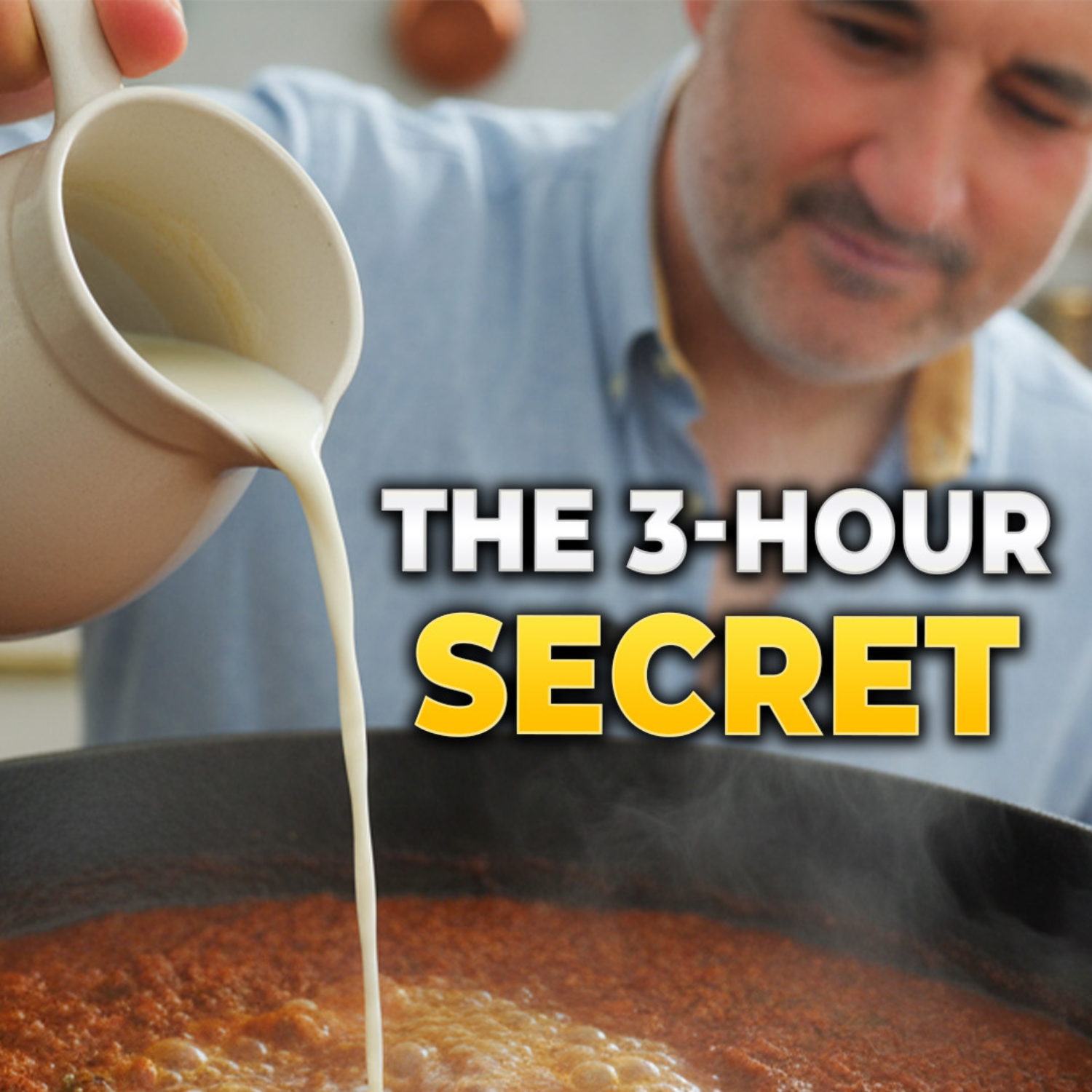
- Finishing Touches: Just before serving, a swirl of heavy cream and a knob of butter add an incredible richness and silkiness, smoothing out any sharp edges and creating a truly luxurious mouthfeel. Fresh parsley brightens the finish.
Crafting Your Masterpiece: A Step-by-Step Bolognese Recipe
Embarking on the journey to create an authentic spaghetti bolognese is a rewarding experience. While the process requires patience, each step builds upon the last, culminating in a sauce that is truly exceptional.- Prepare Your Base: In a large, heavy-bottomed pot or Dutch oven, heat a generous glug of olive oil over medium-high heat. If using bacon or pancetta (a delightful addition for extra richness, though optional), add it now and cook until crispy and the fat is rendered, about 4-5 minutes. Remove the bacon and set aside, leaving the rendered fat in the pot.
- Build the Soffritto: Add your finely diced onions, carrots, and celery to the pot. Reduce the heat to medium-low and cook, stirring occasionally, until the vegetables are very soft and translucent – about 8-10 minutes. Patience here is key; do not rush this step.
- Infuse Aromatics: Stir in the minced garlic, salt, pepper, bay leaves, thyme, oregano, a pinch of cinnamon, and a hint of nutmeg. Cook for another 30 seconds until fragrant, being careful not to burn the garlic.
- Brown the Meats: Increase the heat to medium-high. Add the ground beef and Italian sausage (casings removed, if applicable). Break up the meat with a spoon and cook, stirring frequently, until no pink remains, about 5-7 minutes. Drain any excess fat, if necessary.
- Bloom the Tomato Paste: Stir in the tomato paste and cook, stirring, for 1-2 minutes. This brief cooking "blooms" the paste, intensifying its flavor and adding a deep umami note.
- Deglaze with Wine: Pour in the red wine and bring to a simmer. Scrape the bottom of the pot with a wooden spoon to loosen any browned bits – this is where much of the flavor resides! Cook, stirring, until about half of the liquid has evaporated, usually 2-3 minutes.
- Simmer to Perfection: Add the crushed tomatoes, tomato sauce, beef broth, and a small pinch of sugar (this helps to balance acidity, especially if your tomatoes aren't naturally sweet). Bring the sauce to a gentle boil, then reduce the heat to low. Cover the pot, leaving the lid slightly ajar, and simmer for at least 1.5 to 2 hours, stirring occasionally to prevent sticking. The longer it simmers, the richer and more flavorful your sauce will become. For those looking to truly Elevate Your Bolognese: Discover the 3 Ingredients for Richer Flavor, consider a touch of whole milk during the initial simmer for added tenderness and richness.
- The Finishing Touches: Once the sauce is thick and deeply flavorful, remove the bay leaves. Stir in the heavy cream, butter, and fresh chopped parsley. Simmer for another 2 minutes, then taste and adjust seasoning (salt and pepper) as needed. Keep covered to stay warm.
The Perfect Pairing: Cooking Your Pasta and Serving Suggestions
While the name implies spaghetti bolognese, tradition in Bologna often favors wider, flatter pasta shapes like tagliatelle or fettuccine. These broader noodles have a larger surface area, allowing them to cling better to the rich, hearty sauce. However, spaghetti remains a popular and delicious choice globally.Cooking the Pasta:
Bring a large pot of heavily salted water to a rolling boil. Add your chosen pasta and cook according to package directions until al dente – meaning it's still firm to the bite. Stir occasionally to prevent sticking. Drain the pasta in a colander, reserving about half a cup of the starchy pasta water.
Marrying Sauce and Pasta:
For the best experience, add the drained pasta directly to the pot of Bolognese sauce. Toss thoroughly to coat every strand, adding a splash of the reserved pasta water if needed to help create a glossy, emulsified sauce. This step is crucial, as it allows the pasta to absorb some of the sauce's flavor. Stir in about half a cup of freshly grated Parmesan cheese and toss again.
Divide the sauced pasta among bowls and serve immediately. Offer additional grated Parmesan or Pecorino cheese at the table, along with a sprinkle of fresh parsley. And don't forget the crusty bread for soaking up every last drop of that glorious sauce!
Beyond traditional pasta, Bolognese is incredibly versatile. It's fantastic layered into an epic lasagna, stuffed into jacket potatoes, or even used as a base for shepherd's pie. Whether you're aiming for a From Quick Weeknight to Classic: Your Ultimate Bolognese Recipe, this fundamental sauce can be adapted to various culinary creations.
Expert Tips for Bolognese Brilliance
Achieving truly exceptional spaghetti bolognese often comes down to a few key insights that elevate a good sauce to a great one.- Simmer Time is Non-Negotiable: While 1.5-2 hours is good, if you have the luxury, simmering for 3-4 hours (or even longer on a very low heat) will deepen the flavors immensely, making the sauce even richer and more complex. Just keep an eye on the liquid levels and stir periodically.
- Ingredient Quality Matters: High-quality canned tomatoes (San Marzano are often recommended for their sweetness), fresh vegetables, and good wine will make a noticeable difference in the final taste.
- The Secret Ingredients: As suggested in some top recipes, a dash of Worcestershire sauce can add an extra layer of umami. Similarly, a beef bouillon cube or a rich beef stock can boost the savory depth, especially if you're working with a shorter simmer time or less flavorful broth. And remember the sugar trick for balancing acidity in less-than-sweet tomatoes.
- Don't Be Afraid to Season: Taste your sauce throughout the cooking process and adjust seasoning as needed. A pinch more salt, a grind of black pepper, or even a tiny bit more sugar can transform the sauce.
- Make It Ahead: Bolognese sauce tastes even better the next day, after the flavors have had more time to meld. It's an ideal candidate for batch cooking. Prepare a large batch and freeze portions for quick, delicious meals on busy weeknights.
